






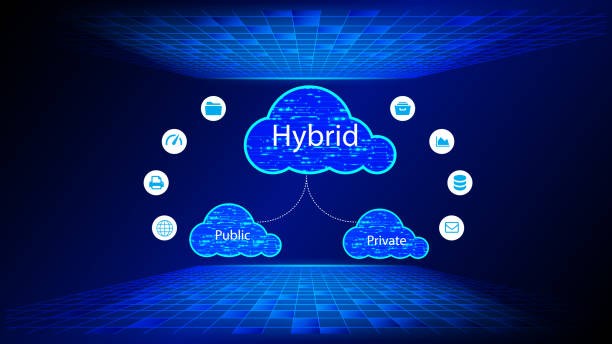

Public cloud, private cloud, and hybrid cloud are three ways businesses store and manage data online. Public cloud uses shared infrastructure run by a third-party provider. A private cloud is dedicated infrastructure controlled by one organization. A hybrid cloud combines both, giving businesses flexibility and control at the same time. The right choice depends on your budget, your security needs, and how much control you want over your data.
Quick Summary — In This Article:
- What public, private, and hybrid clouds actually mean
- How each model works and who it is best suited for
- A side-by-side comparison of all three options
- A simple step-by-step guide to choosing the right model
- Clear answers to the most common cloud questions businesses ask
What Is The Difference Between Public, Private, And Hybrid Cloud?
The core difference comes down to ownership, control, and cost. Public cloud is owned by a provider and shared across many users. Private cloud is built exclusively for one organization. Hybrid cloud blends both approaches, letting businesses run sensitive work privately and everything else on the public side.
Here is a quick breakdown of each:
- Public cloud is hosted and managed by a provider like AWS, Microsoft Azure, or Google Cloud. Many businesses share the same infrastructure. Even so, each company’s data stays separate and secure.
- Private cloud is a dedicated environment built for a single organization. It can sit on-site at your office or be hosted by a provider, exclusively for your use.
- Hybrid cloud is the combination of both. A business keeps critical data in a private environment. At the same time, it uses public cloud for everyday tasks, storage, or scaling needs.
How Does Each Cloud Model Actually Work?
How Does Public Cloud Work?
Public cloud delivers computing resources over the internet from a provider’s data center. You subscribe to a plan, log in, and access storage or software on demand. The provider handles all hardware, updates, and security. As a result, you pay only for what you use.
This makes public cloud ideal for small businesses and startups. There are no upfront infrastructure costs. There is also no need for a dedicated IT team.
How Does Private Cloud Work?
Private cloud places all infrastructure under one organization’s control. That can mean physical servers in your building. It can also mean a hosted environment where no other company shares your resources. Your IT team, or a managed service provider, handles everything from updates to security protocols.
Because of this level of control, private cloud suits large enterprises best. Healthcare providers, law firms, and financial institutions often choose this model. They need to protect highly sensitive client data and meet strict compliance rules.
How Does Hybrid Cloud Work?
A hybrid cloud connects a private environment and a public cloud through an API or integration layer. For example, a business might run its customer database privately while hosting its website on a public cloud. Data can also move between the two environments based on workload demands.
This flexibility is exactly why hybrid cloud has become so popular in recent years.
Public vs Private vs Hybrid Cloud: Side-By-Side Comparison
| Feature | Public Cloud | Private Cloud | Hybrid Cloud |
| Cost | Low upfront, pay-as-you-go | High upfront and ongoing | Moderate |
| Security | Shared but provider-managed | Maximum control | Flexible and layered |
| Scalability | Very easy to scale | Limited by hardware | Highly scalable |
| Maintenance | Handled by the provider | Requires in-house IT | Shared responsibility |
| Best For | Small to mid-size businesses | Large regulated enterprises | Growing businesses with mixed needs |
| Customization | Limited | Full | High |
| Compliance | Depends on the provider | Easiest to control | Manageable with proper planning |
How Do You Choose The Right Cloud Model? A Step-by-Step Guide
Step 1: Audit your data
Start by listing all the data your business generates and stores. Then identify what is sensitive or regulated versus what is routine. This single step will shape every decision that follows.
Step 2: Set your budget
Decide what you can afford upfront versus monthly. Public cloud keeps upfront costs low. Private cloud, on the other hand, demands a larger capital investment from the start.
Step 3: Check your compliance requirements
If your industry is regulated, such as healthcare, finance, or legal, review the standards that apply to you. Rules like HIPAA or PCI-DSS can significantly narrow your options.
Step 4: Evaluate your IT capacity
Ask yourself honestly: Do you have an in-house IT team? Private cloud needs ongoing management. If you do not have that resource, public or managed hybrid options are far more practical.
Step 5: Match your model to your workload
High-sensitivity workloads belong in private environments. High-volume, low-risk operations fit well in the public cloud. If you have both types, that points clearly toward a hybrid.
Step 6: Pilot before you commit
Start small. Test performance, security, and integration before fully migrating. This step alone can save a business from costly surprises down the road.
What Do The Numbers Say About Cloud Adoption?
The data makes one thing clear: cloud adoption is accelerating, and hybrid is leading the way.
- According to Gartner, worldwide end-user spending on public cloud services was forecast to reach $679 billion in 2024. That reflects steady growth across businesses of all sizes.
- According to the Flexera 2024 State of the Cloud Report, 73% of organizations now use a hybrid cloud strategy. That makes it the most widely adopted deployment model among enterprises today.
In short, while public cloud dominates in volume, hybrid cloud is growing fastest. Mid-size and enterprise businesses are driving that shift, largely because of the flexibility and cost control it offers.
FAQs
Q: Which cloud option is the most secure for businesses?
A private cloud is usually the most secure because it is used by only one organization. However, public cloud platforms like AWS and Azure also follow strict security standards. In most cases, security depends more on how the system is set up rather than the type of cloud used.
Q: Is a hybrid cloud more expensive than a public cloud?
Yes, a hybrid cloud often costs more than a public cloud. This is because it includes a private setup, which needs extra infrastructure or hosting fees. Still, it usually costs less than a fully private cloud. For businesses with different needs, it often offers better overall value.
Q: Can small businesses use a private cloud?
Yes, they can. But in most cases, it is not cost-effective. A private cloud needs high setup costs and ongoing maintenance. Because of this, small businesses often benefit more from a secure public cloud or a simple hybrid setup.
Q: Which industries benefit the most from a hybrid cloud?
Industries like healthcare, finance, legal, and government see the most value. They handle sensitive data that must stay secure. At the same time, they also run daily operations that can work on public cloud systems. A hybrid setup gives them both control and flexibility.
Q: How can a business know if it is ready for cloud migration?
A business is ready when it understands its data, budget, and compliance needs. Starting with a small public cloud setup is often the safest option. It also helps to get a cloud assessment from a tech expert to plan the next steps with clarity.
So, Which Cloud Model Is Right For Your Business?
Choosing between public, private, and hybrid cloud is not a one-size-fits-all decision. It comes down to three things: what data you handle, how much control you need, and what you can realistically afford.
Public cloud works best for small businesses and cost-conscious teams. Private cloud suits enterprises with strict compliance demands. Hybrid cloud, meanwhile, gives growing businesses the best of both worlds. Understanding your workloads and regulatory environment is the fastest way to reach the right answer.
Ready to explore your options? Browse through our full range of cloud services and technology solutions. Find the model that fits your business and take the next step with confidence today.